


 Turkish



Dell PowerEdge R770AP, ana akım genel amaçlı bir sunucu değildir ve bu bilinçli bir tercihtir. Çoğu 2U çift soketli sistem her yönüyle çok yönlülüğü önceliklendirirken, R770AP bu modelden bilinçli olarak uzaklaşarak, GPU desteği, karma depolama yapılandırmaları ve maksimum bellek kapasitesinden feragat ederek Dell'in mevcut Intel tabanlı sunucu portföyünde olağanüstü çekirdek yoğunluğu, bellek bant genişliği ve yürütme determinizmi sunar. Bu, belirli bir işlemci mimarisi etrafında tasarlanmış ve belirli iş yükleri için hedeflenmiş bir sistemdir ve geride bıraktığı özellikler için özür dilemez.

Dell PowerEdge R770AP Ön Panel (Çerçeve ile)
Amacını anlamak için öncelikle ait olduğu daha geniş sunucu ailesine bakıyoruz. Dell'in PowerEdge R7x0 serisi uzun süredir en esnek 2U Intel sunucu platformu olmuştur ve AMD tabanlı PowerEdge R7725, EPYC ekosisteminde benzer bir rol üstlenmektedir. Standart PowerEdge R770, hem Xeon 6 performans hem de verimlilik çekirdeklerini, GPU hızlandırıcılarını, karma SAS/SATA/NVMe depolamayı, 32 DIMM üzerinden 8 TB'a kadar belleği ve sanallaştırmadan yapay zeka çıkarımına kadar her şeye uygun bol miktarda PCIe Gen5 genişletmesini destekleyerek bu Intel mirasını sürdürmektedir.
PowerEdge R770AP belirgin şekilde farklı bir makinedir.
"AP" rozeti Gelişmiş Performans anlamına gelir, ancak bu etiket bu sunucunun ne kadar özelleşmiş olduğunu hafife almaktadır. R770, 8 bellek kanalına ve 86'ya kadar performans çekirdeğine sahip LGA 4710 soketinde Intel'in Granite Rapids-SP silikonunu kullanırken, R770AP LGA 7529 soketine sahip Granite Rapids-AP platformundan yararlanır ve soket başına 128'e kadar performans çekirdeğini (test örneğimizde 120 çekirdek) ve 12 DDR5 bellek kanalını destekler. Bu, Intel'in daha geniş Xeon 6 6900 serisi stratejisini yansıtmaktadır: AP platformundaki 6900P işlemciler, çekirdek başına hızın, bellek veriyolunun ve tutarlı yürütmenin yapılandırılabilirlikten daha önemli olduğu iş yükleri için özel olarak üretilmiş Intel'in en yüksek performanslı sunucu çiplerini temsil eder.
Dell PowerEdge 770AP LGA 7529 soketiIntel'in yeni Granite Rapids-AP LGA 7529 Soketi
Intel'in tam Xeon 6 mimarisi, veri merkezini iki farklı yola ayırır. Verimlilik çekirdeği işlemcileri, mikro hizmetler ve içerik dağıtımı gibi bulut tabanlı, ölçeklenebilir iş yükleri için yoğunluk ve güç verimliliğine odaklanır. Performans çekirdeği işlemcileri, kararlı iş parçacığı başına performansın temel olduğu hesaplama yoğun görevleri hedefler: HPC simülasyonları, gerçek zamanlı analizler, büyük bellek içi veritabanları ve gecikmeye duyarlı finansal hesaplama. Bu performans katmanının en üstünde, aşırı çekirdek sayılarını 12 kanallı bellek bant genişliği, soket başına 96 adede kadar PCIe Gen5 hattı, 6 adede kadar UPI 2.0 bağlantısı ve Intel Xeon 6978P gibi amiral gemisi SKU'larda 504 MB'a kadar L3 önbellek ile birleştiren 6900P serisi yer alır. Mimari odak noktası yalnızca ham veriyolu değil, aynı zamanda zamanlamaya duyarlı uygulamalara zarar veren zamanlama gecikmesini ve bellek erişim tutarsızlıklarını azaltan öngörülebilir performanstır.
R770AP, Dell'in bu vizyonunun fiziksel uygulamasıdır. Granite Rapids-AP platformu için gereksiz bileşenleri ortadan kaldırır: tam GPU desteği kaldırılır, SAS ve SATA depolama seçenekleri NVMe yalnızca kurulumlar lehine düşürülür (yapılandırmaya bağlı olarak 16 adede kadar 2,5 inç Gen5 NVMe sürücü veya 32 E3.S Gen5 NVMe sürücü), bellek 24 DIMM (soket başına 12, kanal başına zirve performans için 1DPC) üzerinden 3 TB ile sınırlıdır ve PCIe genişletmesi beş Gen5 x16 yuvası artı çift OCP NIC 3.0 modülüne kadar basitleştirilmiştir. Sonuç, yüksek frekanslı ticaret, gerçek zamanlı risk değerlendirmesi ve büyük ölçekli paralel simülasyon gibi kullanım durumları için hesaplama yoğunluğunu, bellek bant genişliğini ve deterministik performansı optimize eden 2U çift soketli bir sunucudur.
kevin with intelKevin, R770AP Soğutucusunu Intel 6900 Serisi çip ile tutuyor
İnceleme örneğimiz, her biri 2,1 GHz temel saat hızında ve 3,2 GHz tüm çekirdek turbo hızında 120 performans çekirdeğine sahip iki Intel Xeon 6978P işlemciyi, tüm 24 DIMM yuvasına yayılmış 3 TB DDR5-6400 bellek ile eşleştirir. Çift Xeon 6787P çipleri (her biri 86 çekirdek, 8 bellek kanalı, 2 TB DDR5) ile yapılandırılmış temel R770'e kıyasla, R770AP %39,5 daha fazla çekirdek ve %50 daha fazla bellek kanalı sunar. Anahtar soru, bu mimari iyileştirmelerin karşılaştırılabilir gerçek dünya performans artışlarına dönüşüp dönüşmediği ve platformun ödünlerinin Dell ve Intel'in desteklemeyi amaçladığı iş yükleri için haklı olup olmadığıdır.
Dell PowerEdge R770AP Özellikleri
Aşağıdaki tablo, Dell PowerEdge R770AP Platformu için fiziksel ve desteklenen yapılandırma özelliklerini vurgulamaktadır.
| Özellik | Dell PowerEdge R770AP |
|---|---|
| İşlemci | |
| İşlemci | Her biri 128 Çekirdeğe kadar P-Çekirdekli İki Intel® Xeon® 6 6900 serisi işlemci |
| Bellek | |
| DIMM Yuvaları | 24 DDR5 DIMM yuvası |
| Maksimum Bellek | 3 TB |
| Bellek Hızı | 6400 MT/s'ye kadar |
| Bellek Türü | Yalnızca Kayıtlı ECC DDR5 RDIMM'ler |
| Depolama | |
| Depolama Denetleyicileri (RAID) | PERC H975i DC-MHS ön (dahili) |
| Dahili Önyükleme | BOSS-N1 DC-MHS: HWRAID 1, 2x M.2 NVMe SSD veya USB |
| Ön Sürücü Yuvaları | 16 adede kadar 2,5 inç G5 x4 NVMe SSD (maks. 245,76 TB) 16 adede kadar 2,5 inç G5 x2 NVMe SSD (maks. 245,76 TB) 32 adede kadar EDSFF E3.S Gen5 NVMe SSD (maks. 491,52 TB) |
| Arka Sürücü Yuvaları | YOK |
| Güç | |
| Güç Kaynakları | 1500 W Titanyum, 100-120 LLAC veya 200-240 HLAC, 240 VDC, sıcak değişimli yedekli 1800 W Titanyum, 200-240 HLAC, 240 VDC, sıcak değişimli yedekli 2400 W Titanyum, 100-120 LLAC veya 200-240 HLAC, 240 VDC, sıcak değişimli yedekli 3200 W Titanyum, 200-220 HLAC veya 220.1-240 HLAC, 240 VDC, sıcak değişimli yedekli 3200 W Titanyum, 277 Vac ve HVDC, sıcak değişimli yedekli* |
| Soğutma ve Fanlar | |
| Soğutma Seçenekleri | Hava soğutma |
| Fanlar | 6 adede kadar sıcak değişimli fan |
| Form Faktörü ve Boyutlar | |
| Form Faktörü | 2U raf sunucusu |
| Yükseklik | 86,8 mm (3,42 inç) |
| Genişlik | 482 mm (19,0 inç) |
| Derinlik (çerçeve ile) | 802,40 mm (31,59 inç) |
| Derinlik (çerçeve olmadan) | 801,51 mm (31,56 inç) |
| Çerçeve | İsteğe bağlı metal çerçeve |
| Ağ ve Genişletme | |
| OCP Ağ Seçenekleri | İki adede kadar OCP NIC 3.0 kartı Yuva 4: 1x8 veya 1x16 Gen5 OCP 3.0 Yuva 10: 1x16 Gen5 OCP 3.0 |
| Gömülü NIC | 1 Gb özel BMC Ethernet bağlantı noktası |
| PCIe Yuvaları | 5 adede kadar Gen5 PCIe yuvası (x16 konektörler) Yuva 2: 1x16 Gen5, tam yükseklik, yarım uzunluk Yuva 3: 1x16 Gen5, tam yükseklik/düşük profil, yarım uzunluk Yuva 5: 1x16 Gen5, tam yükseklik, yarım uzunluk Yuva 7: 1x16 Gen5, tam yükseklik, yarım uzunluk Yuva 9: 1x16 Gen5, tam yükseklik/düşük profil, yarım uzunluk |
| GPU Seçenekleri | YOK |
| Bağlantı Noktaları | |
| Ön Bağlantı Noktaları | 1x USB 2.0 Tip-C |
| Arka Bağlantı Noktaları | 1x Özel BMC Ethernet bağlantı noktası 2x USB 3.1 Tip-A 1x VGA |
| Dahili Bağlantı Noktaları | 1x USB 3.1 Tip-A |
| Yönetim | |
| Gömülü Yönetim | iDRAC10, iDRAC Direct, Redfish ile iDRAC RESTful API, RACADM CLI, iDRAC Servis Modülü |
| Güvenlik | |
| Güvenlik Özellikleri | Kriptografik olarak imzalanmış firmware, Beklemedeki Veri Şifrelemesi (SED'ler yerel veya harici anahtar yönetimi ile), Güvenli Önyükleme, Güvenli Bileşen Doğrulaması (donanım bütünlüğü kontrolü), Güvenli Silme, Silikon Güven Kökü, Sistem Kilitleme (iDRAC10 Enterprise veya Datacenter gerektirir), TPM 2.0 FIPS/CC-TCG sertifikalı, Kasa İzinsiz Giriş Algılama |
| İşletim Sistemleri ve Sanallaştırıcılar | |
| Desteklenen OS / Sanallaştırıcılar | Canonical Ubuntu Server LTS, Red Hat Enterprise Linux, SUSE Linux Enterprise Server, VMware vSAN / VMware ESXi*, Microsoft Windows, Microsoft Windows Server, Microsoft Windows Server Datacenter |
Sonuç
Dell PowerEdge R770AP, 17. nesil PowerEdge sunucu ailesinde odaklanmış, özel bir rol üstlenmektedir. R770'in yerini alması amaçlanmamıştır ve Dell de bu şekilde pazarlamamaktadır. R770, uzun süredir olduğu gibi, GPU desteği, karma SAS/SATA/NVMe depolama, hem E-çekirdek hem de P-çekirdek CPU seçenekleri ve 32 DIMM yuvasında 8 TB'a kadar bellek sunan, son derece esnek, son derece yapılandırılabilir 2U Intel platformu olarak hizmet vermeye devam etmektedir. Genel sanallaştırma, karma kurumsal iş yükleri veya esnek donanım yapılandırmasına dayanan uygulamalar çalıştıran işletmeler için R770 ideal seçim olmaya devam etmektedir.
Dell laboratuvarında SR sloth ile Dell PowerEdge R770AP
R770AP, standart R770'in hiçbir zaman tasarlanmadığı iş yükleri için özel olarak üretilmiştir. 12 kanallı bellek mimarisine, soket başına 128'e kadar P-çekirdeğe ve 504 MB'a kadar L3 önbelleğe sahip Granite Rapids-AP platformunu benimseyerek Dell, evrensel esneklik yerine hesaplama yoğunluğunu, bellek bant genişliğini ve deterministik performansı önceliklendiren bir 2U sunucu tasarlamıştır. Benchmark sonuçlarımız bu uzmanlığı vurgulamaktadır: STREAM bellek bant genişliği neredeyse iki katına çıktı, Blender oluşturma performansı %29-36 arttı ve y-cruncher, çalışma kümeleri önbellek sınırlarının dışına çıktıkça daha güçlü ölçeklenme gösterdi. Apache regresyon sonucu dikkat çekicidir, çünkü R770AP'nin NUMA topolojisinin zirve performansı açığa çıkarmak için iş yükü farkındalığı gerektirdiğini, yani her uygulamanın ek ayarlama olmadan bu platformdan fayda sağlamayacağını göstermektedir.
Dell tarafından yayınlanan Metrum AI test sonuçları, platformun deterministik performansını daha da vurgulamaktadır. P99 zamanlama titremesini yarıya indirirken çekirdek yoğunluğunu ikiye katlamak, yüksek frekanslı ticaret sistemleri, gerçek zamanlı risk hesaplama motorları, büyük bellek içi analiz platformları ve büyük ölçekli paralel simülasyonlar çalıştıran şirketler için önemli bir mimari yükseltme temsil etmektedir. Bu kullanım durumları için R770AP, rafine edilmiş, amaca yönelik bir çözümdür. Diğer tüm genel amaçlı iş yükleri için R770 ve R7725, Dell'in ana akım PowerEdge serisindeki daha pratik seçenekler olmaya devam etmektedir.
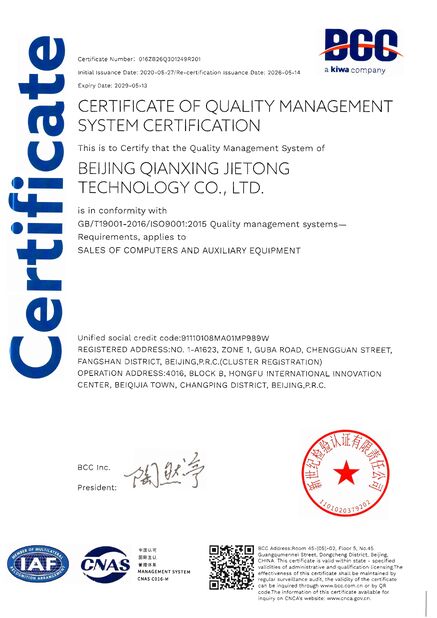
Beijing Qianxing Jietong Technology Co., Ltd.
Sandy Yang/Global Strateji Direktörü
WhatsApp / WeChat: +86 13426366826
E-posta: yangyd@qianxingdata.com
Web Sitesi: www.qianxingdata.com/www.storagesserver.com
İş Odak Noktası:
BT Ürün Dağıtımı/Sistem Entegrasyonu ve Hizmetleri/Altyapı Çözümleri
20 yılı aşkın BT dağıtım deneyimiyle, güvenilir ürünler ve profesyonel hizmetler sunmak için önde gelen küresel markalarla işbirliği yapıyoruz.
“Teknoloji Kullanarak Akıllı Bir Dünya İnşa Etmek” Güvenilir BT Ürün Hizmet Sağlayıcınız!
Sandy Yang/Global Strateji Direktörü
WhatsApp / WeChat: +86 13426366826
E-posta: yangyd@qianxingdata.com
Web Sitesi: www.qianxingdata.com/www.storagesserver.com
İş Odak Noktası:
BT Ürün Dağıtımı/Sistem Entegrasyonu ve Hizmetleri/Altyapı Çözümleri
20 yılı aşkın BT dağıtım deneyimiyle, güvenilir ürünler ve profesyonel hizmetler sunmak için önde gelen küresel markalarla işbirliği yapıyoruz.
“Teknoloji Kullanarak Akıllı Bir Dünya İnşa Etmek” Güvenilir BT Ürün Hizmet Sağlayıcınız!